Hairstyle: A Stylish Handwritten Font
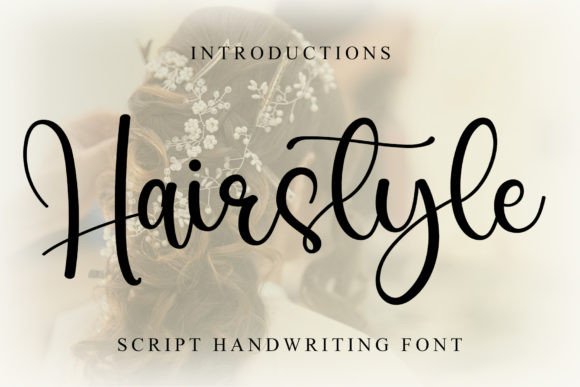
When I was redesigning a boutique online store’s homepage, I knew the typography needed to feel personal and modern. After testing several options, Hairstyle stood out as a font that balanced elegance with approachability. It’s a stylish handwritten font with a contemporary atmosphere, perfect for adding a touch of personality to digital layouts.
Hairstyle’s design is rooted in timeless calligraphy but feels fresh and relevant for today’s web. The strokes are fluid yet structured, giving it a sense of movement without sacrificing clarity. This makes it ideal for headers, logos, and decorative elements where visual interest matters.
Using Hairstyle in Web Design
I first tested Hairstyle in the hero section of the online store. The headline, “Discover Timeless Style,” looked great against a soft background image. The font added a handcrafted feel that matched the brand’s aesthetic. But I also noticed how it could be overwhelming if overused. For body text, it wasn’t the best choice, but as a display font, it shone.
On mobile screens, Hairstyle maintained its legibility at larger sizes, which is crucial for user experience. I made sure to keep it limited to headings and CTA buttons, avoiding small text on dark backgrounds where it might become hard to read. When paired with a simple sans serif for body copy, the contrast helped guide the eye through the page.
Brand Identity and Visual Hierarchy
For a coaching website, Hairstyle worked well as a logo font. It gave the site a warm, human touch that resonated with the brand’s mission. I used it sparingly in section headings and banners, ensuring it didn’t distract from the main content. The font’s varied stroke widths added depth, making it feel more dynamic than a standard script font.
Readability is always a concern with handwritten fonts, especially on smaller screens. I tested Hairstyle at different sizes and found that it remained clear when used for short phrases or headlines. However, I avoided using it for long paragraphs or dense blocks of text. Instead, I focused on using it for key messages and visual accents.
Font Pairing and Design Flexibility
Pairing Hairstyle with a clean, neutral sans serif like Open Sans or Lato created a balanced look. This combination allowed the handwritten font to stand out without clashing. For a more editorial feel, I experimented with a serif font like Georgia or Playfair Display, which complemented Hairstyle’s organic flow.
The font’s versatility made it suitable for a range of projects. On a product landing page, it worked well for headlines and subheadings, while on a blog redesign, it added a personal touch to the header and featured sections. I also used it in social media graphics and email newsletters, where its expressive style caught attention without overwhelming the reader.
Practical Considerations
Before finalizing Hairstyle for a project, I always check the available styles, weights, and multilingual support. It’s important to ensure the font includes all necessary characters for the target audience. I also verify that it’s available as a webfont, so it can be used seamlessly across devices and browsers.
Commercial licensing is another key factor. Hairstyle is part of the Script Amp collection, which offers flexible licenses for websites, apps, and digital products. This makes it a reliable choice for both personal and client projects.
When working on a portfolio site, I used Hairstyle for the title and section headers. It added a unique flair that set the site apart from generic templates. I made sure to use it consistently across the layout, reinforcing the brand’s visual identity without overcomplicating the design.
Final Thoughts
Hairstyle is a powerful tool for web designers looking to add character to their layouts. Its blend of tradition and modernity makes it suitable for a wide range of digital projects. Whether you’re building a creative portfolio, an online store, or a coaching website, this font can elevate your design with its expressive style and refined form.
As with any typeface, the key is to use it thoughtfully. Test it in different contexts, pair it with complementary fonts, and prioritize readability. With the right approach, Hairstyle can help create a more engaging and memorable online experience.